

Influence Profile
No genre data available
Genre information will appear here once available
Trending in Cesária Evora’s World
Latest Single
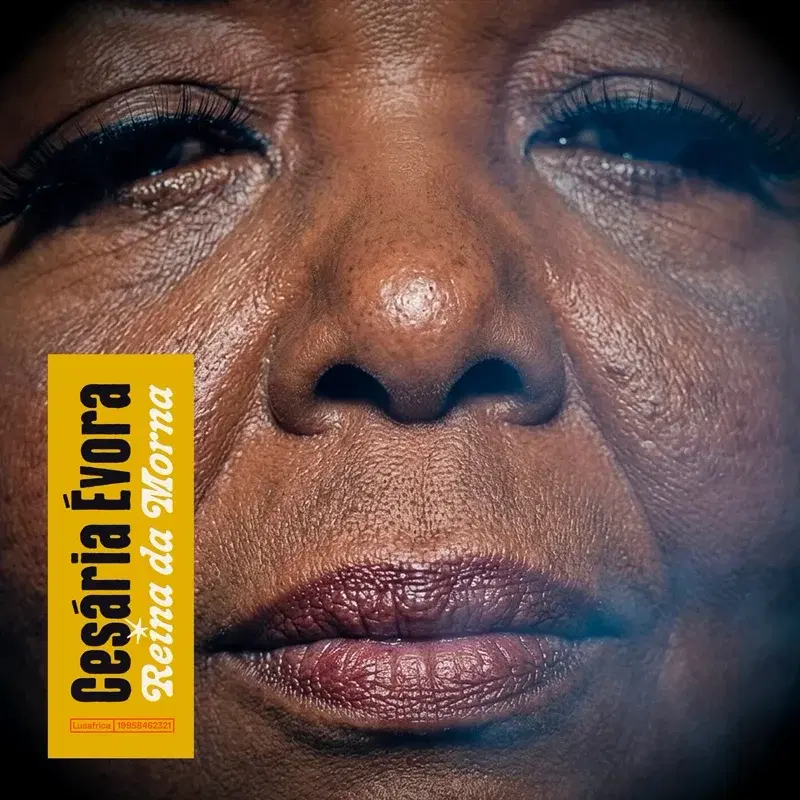
Sonsente
Released Aug 27, 2026
Trending Globally
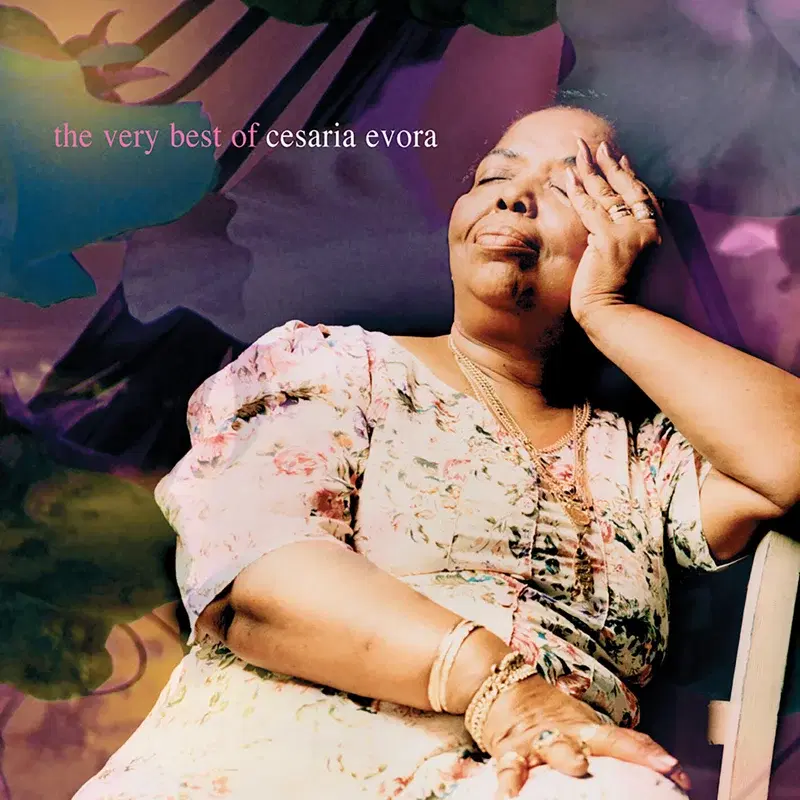
Album

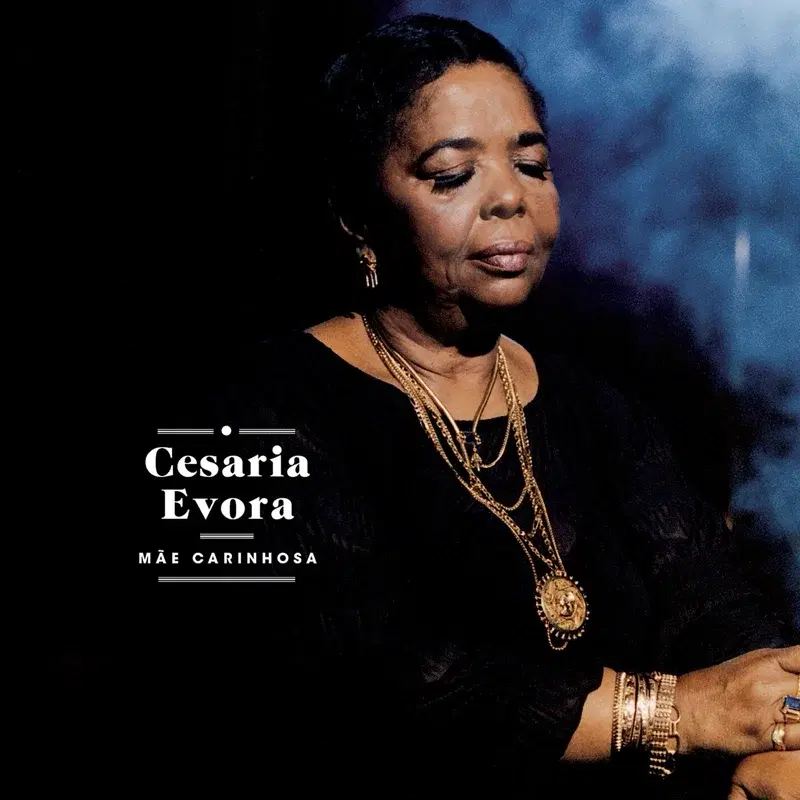

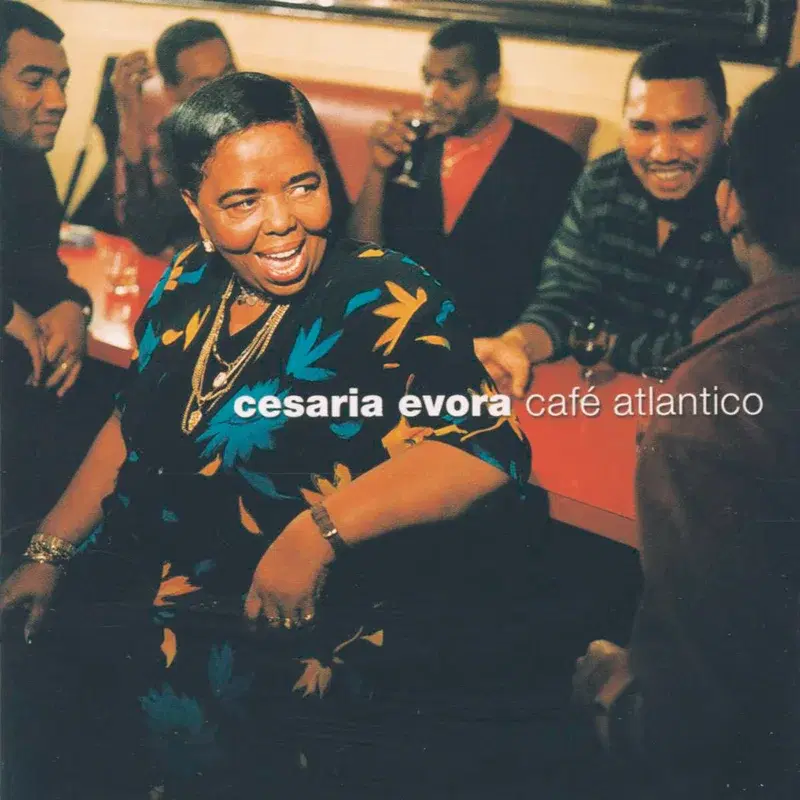
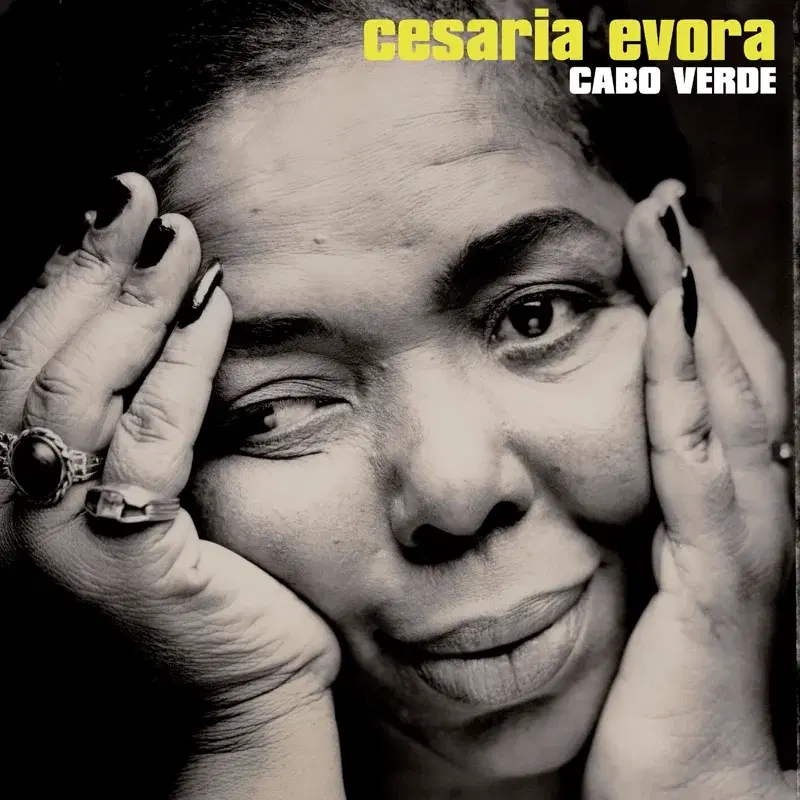
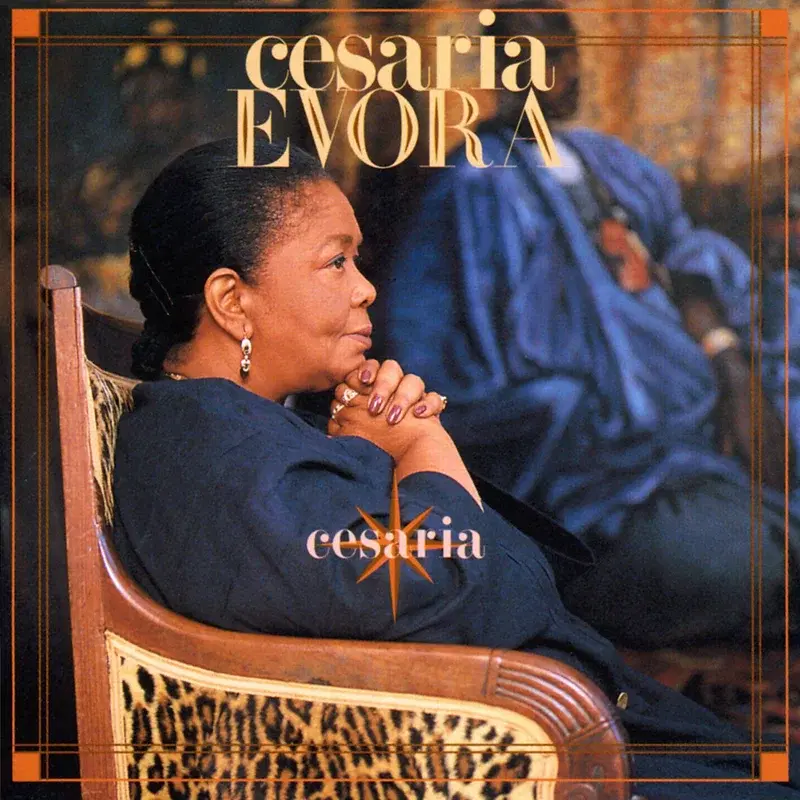
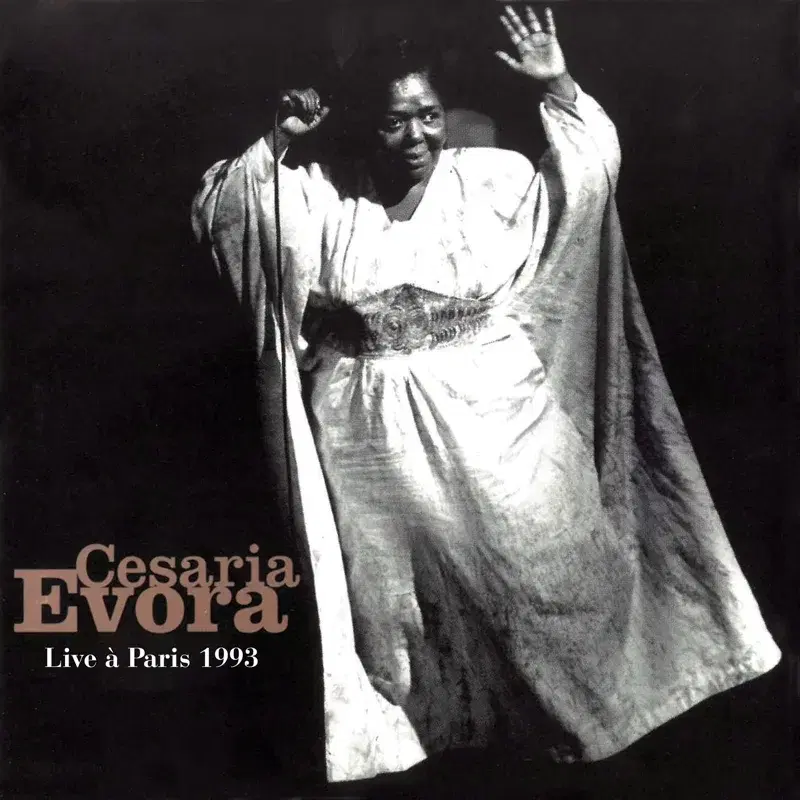
Single
Story
Quick Facts
Born
1941
1941
From
Cabo Verde
Cabo Verde
Journey
Cesária Évora remains an enigmatic monument in global music. Affectionately called "Cize" and the "Barefoot Diva," she single-handedly mapped the tiny, drought-threatened West African archipelago of Cape Verde onto the cultural world map. Born in the international port town of Mindelo on São Vicente Island, Évora navigated a life defined by extreme poverty, colonial scars, and systemic isolation.
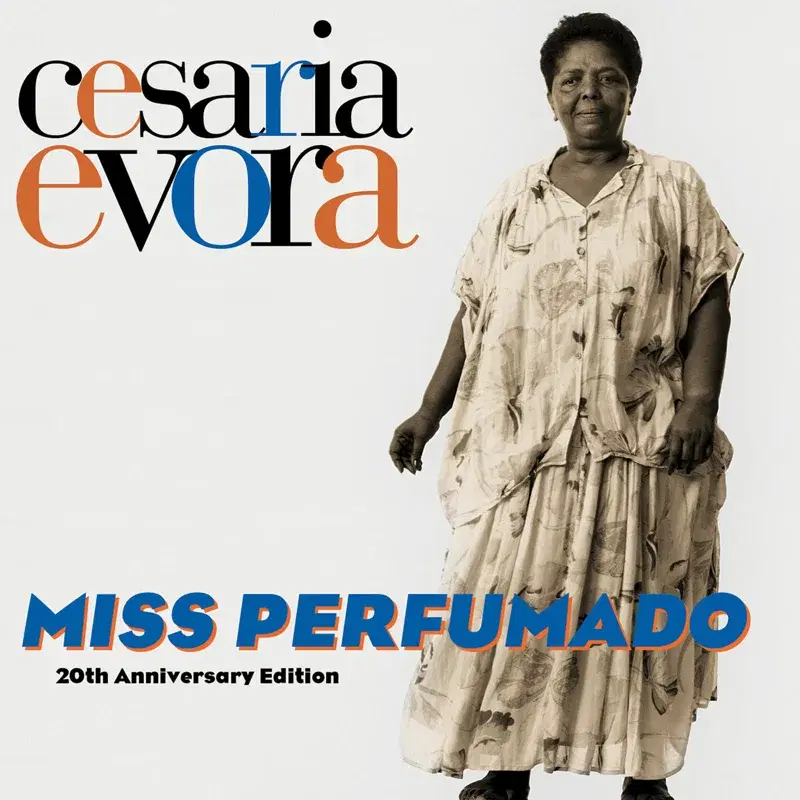
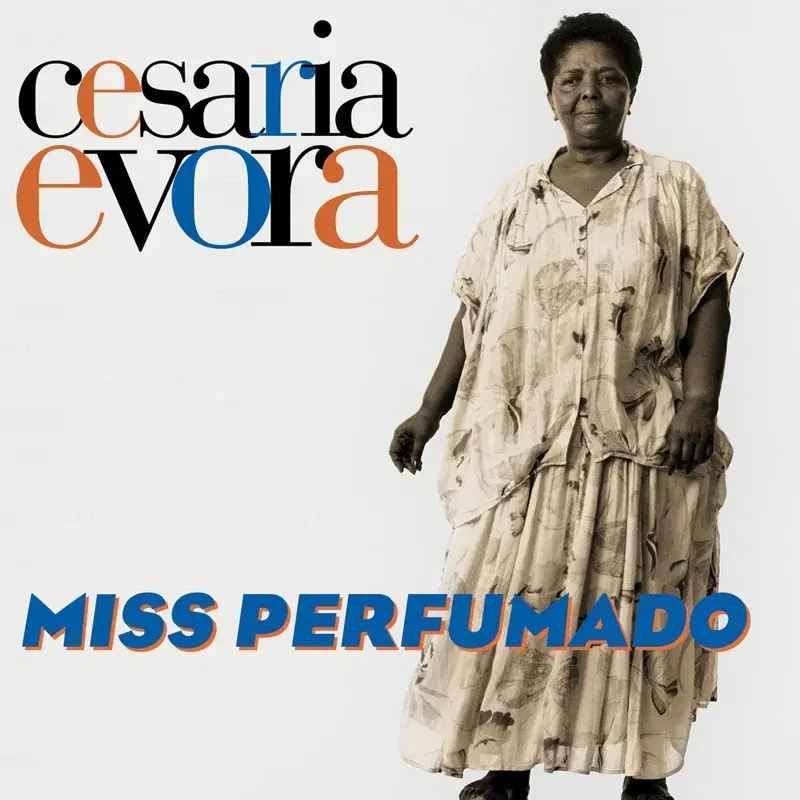
By age sixteen, her velvet alto voice was a fixture in Mindelo’s seaside taverns, singing for sailors' tips. Yet, financial hardships, severe depression, and alcoholism drove her into total artistic silence during the late 1970s—a decade she termed her "dark years." Her late-in-life resurrection began in Paris under producer José da Silva. At age 51, her 1992 masterpiece “Miss Perfumado,” and its aching anthem "Sodade" ignited a global phenomenon.
Évora became the undisputed "Queen of Morna," a slow, poetic blues genre laced with saudade the bittersweet longing of an exiled people forced to leave or compelled to remain. Her universal melancholy possessed a unique, cross-cultural magnetism. In the French Antilles, massive crowds from hardcore biguine-mazurka traditionalists to contemporary rap addicts lined up to submerge themselves in her ancient pain.
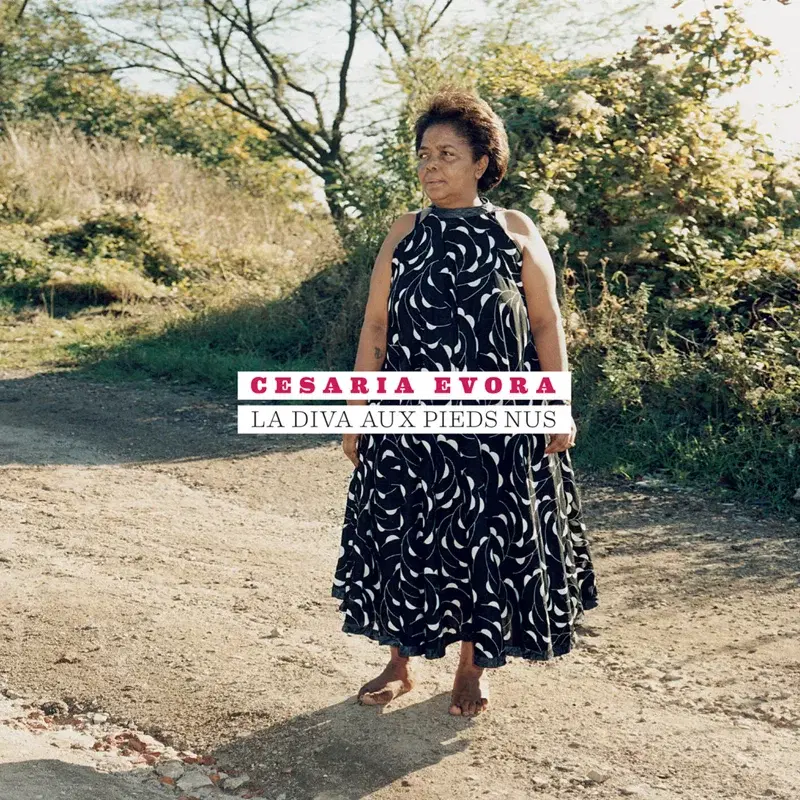
Despite earning a 2004 Grammy Award and playing sold-out global venues, Évora rejected corporate glamour. She performed completely barefoot to feel the earth, and between stage movements, she would casually smoke cigarettes and sip rum though she famously quit hard liquor after Christmas 1994. At home, she remained an ordinary woman of the streets, waddling through winding alleys in a pocketed house apron and plastic hair curlers, cooking cachupa for neighbors, and sharing her wealth freely.
Following a stroke and open-heart surgery, Évora passed away in 2011 at age 70. She was neither a manufactured pop star nor a distant diva, but a maternal figure who carried the collective grief, joy, and resilience of her homeland in her unforgettable voice. Today, her legacy stands immortalized on national currency and at Cape Verde's international airport.